Monday, February 2, 2015

Argentina Day 3


Today was my last day in Argentina, so I wanted to go to Patagonia, which is one of the most important features in Argentina. After eating a huge breakfast to get ready for my trip, I started driving towards Patagonia. Patagonia is a semi-arid plateau that covers almost all of the southern portion of mainland Argentina. The name Patagonia is said to have come from  The Patagones, which is what the Tehuelche Indians, the region’s original inhabitants, were called by 16th-century Spanish explorers. It was a beautiful sight to see and I had never seen anything like it before. There were hundreds of huge mountains after mountains separated by huge lakes. After I had finished hiking through the mountains, I decided to go to another important landmark in Argentina, the Iguazu Falls. The Iguazu Falls are a
line of waterfalls going off of a plateau straight down into another river. It looked like there was a huge hole in the middle of the river. After all of my sightseeing was over, I went back home to eat dinner. Because this was my last day in Argentina, the entire family had helped prepare a huge feast to send me on my way. We had Carbonada, a type of stew with potatoes, meat, pumpkins and corn that is often baked in an oven inside the pumpkin itself. We also had Alfajores for dessert. These are similar to shortbread cookies, but are made with two biscuits filled with dulce de leche. I had a great time in Argentina and I wish I could stay longer.
The Patagonia mountains

The Iguazu Falls


Argentina Day 2

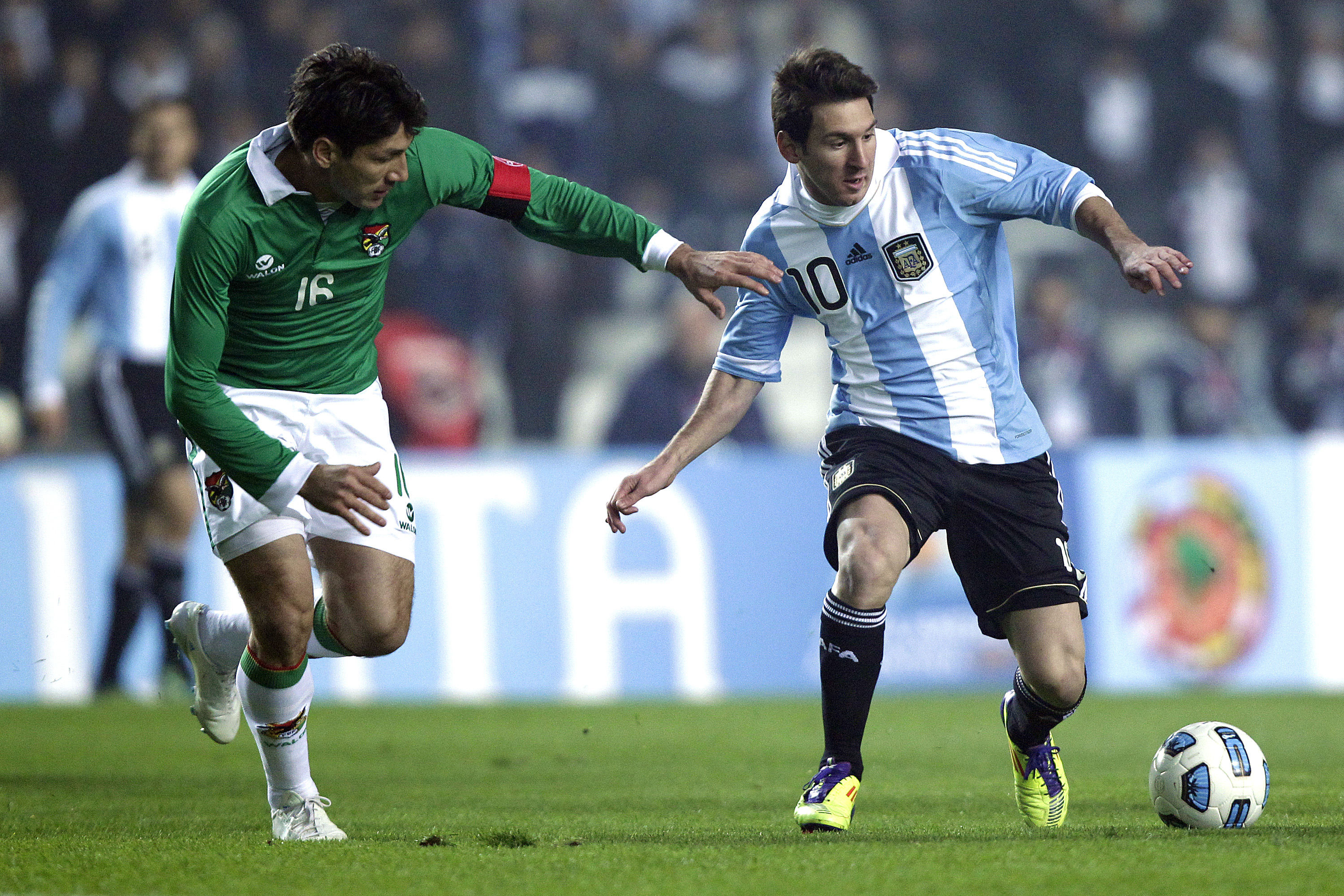
I was very excited for today because I was going to see a soccer team. Argentina has their own soccer team that they are very proud of because they have won the World Cup before. For breakfast we did not eat much, because in Argentina, people normally do not have large breakfasts, so we only had toast and orange juice. Before I went to the soccer game, I went into town to buy a jersey for their amazing player, Lionel Messi. After I was all done, I headed into the soccer stadium. It was a huge stadium and it was packed with Argentina fans. It was a great game that was very close up until the end, but Argentina ended up winning, so we all went back home to celebrate. When we got back home we ate a huge celebratory dinner, and all of it was home made by the mother. She made Locro, which is a rich stew of meat and vegetables, very popular throughout Argentina. The main ingredients are beef, pork, corn, beans and yellow pumpkin. She also prepared a dish called Empanadas, which are delicious pastries filled with a variety of both meat and vegetables.They are extremely popular and consumed throughout the country, with fillings and cooking methods varying throughout the different regions.
Argentina's star soccer player, Lionel Messi

Argentina Day 1

A family that lives in Argentina was nice enough to let me stay in their house for three days while I learn about their everyday life. They live on a farm where they grow wine. Argentina produces more than 4 million gallons of wine annually, because its soil is so good and fertile. For the first day I decided to go out and explore the scenery and wildlife of Argentina. I went to some areas that were not densely populated and immediately started to see wildlife. The 270,200 acres of humid marshlands are home to swamp deer, turtles, alligators, monkeys, and capybaras, the world’s largest rodent. I also saw llamas and alpacas that live in Argentina’s mountains. In rural patagonia, I saw a very rare Patagonian gray fox. The waters of Argentina are rich with marine life too. They have many fish including bass and trout. I even saw a group of dolphins swimming around. After I was done traveling around Argentina, I returned back to the house. When I got home, I found that the mother of the family had prepared dinner for all of us. For dinner, we had a grilled steak with an herb sauce. Then for dessert we had a dish called chocotorta, which is a layered cake made with chocolate and cream cheese.
The famous desert in Argentina called Chocotorta

Argentina Introduction

Argentina is one of the most sophisticated and interesting countries in South America. It has a mix of many different nationalities and many cultures. Argentina is very rich in natural resources and agriculture is their strongest industry. Argentina’s landscape varies widely from prairies to rushing rivers, and wide lakes to icebergs. Buenos Aires, Argentina’s capital, is one of the world’s largest cities. Because of its size however, its 12 million citizens have to put up with a very crowded city. Argentina has an average of 46 degrees F and normally has a temperate climate. More than two thirds of Argentina does not receive enough rain for extensive agriculture, so fields must be irrigated.
Map of Argentina

Dominican Republic Day 3

Today was an important day because it was Carnival Day. Carnival is a traditional celebration in the Dominican Republic. This celebration takes place in February on the same date that the Dominican  Republic gained its independence. The largest Carnival celebrations took place in Santo Domingo, which was where I was staying. The family told me that the most important part of the carnival celebrations was the costumes. They spent a lot of time helping me design my costume, and then they did their own costumes. Our costumes were made of brightly colored fabrics with small shiny objects all over them. We also made masks that went with the costume to wear to the party. After getting ready, we went into town to watch the huge parade go down the main streets of the Dominican Republic. The streets were so crowded that I could barely see the parade floats, but it was still fun. Typical music like merengue was played through all the celebration, which added some excitement to it. When the parade started to end, we all went back home to celebrate on our own. We danced and ate a very special dinner to celebrate my last day in the Dominican Republic. The mother had made a wonderful chicken stew served with vegetables, rice, and a spicy sauce. I had a great time in the Dominican Republic and would definitely go again.
People dressed in their costumes celebrating Carnival Day

Dominican Republic Day 2

Day 2
In the morning, the mother had prepared fried eggs, sauteed onions, and fried cheese for breakfast. I figured out that while women usually stayed at home and the children go to school, the men will frequently visit with friends. Dominicans are also very passionate about sports, especially horse riding, so I rode around on a trail for a few hours. After that, I went to the public park with the father to visit some of his friends. Then we  played some games such as cards or dominoes, which are commonly played in the park. Later in the day, I drove to the Jarabacoa waterfalls in Santo Domingo. I learned that the Spanish conquistadors had come here looking for gold a long time ago and had eventually populated the area. Although no large finds were ever made, gold can still be found today in some of the many rivers. Many Spanish ships sunk because of hurricanes, and many people believed that there was treasure on board the ship that fell out when it crashed. That night for dinner, we had Quipes, which are balls of meat that are fried until they are crispy, and are sometimes made with a hint of spice in the form of raisins
The Jarabacoa waterfalls

Dominican Republic Day 1

I will be living in the Dominican Republic for three days with a family who was nice enough to let me stay in their house. They live on a farm that grows coffee and sugar, because they are now the Dominican Republic's most important crops. Instead of large more efficient plantations, the coffee and sugar industries mainly take place on small farms, such as the one that my family lives on. For today, I had decided to go out and find some of the wildlife in the Dominican Republic. The first place that I went was the forest. There I found some notable birds, like the Hispaniola lizard cuckoo and the narrow billed tody. Next, I went to the shoreline and saw a few iguanas running around on the beach. I also saw a manatee in the ocean. When I returned back to the house, the mother had prepared a special dinner for me. We were having plantains with sancocho, a very popular and traditional soup made with vegetables and meat. It was my first Dominican Republic dish and I loved it! After that, we had a Dominican Republic dessert called Majarete, which is a silky corn pudding sweetened with condensed milk and coconut milk.
The Hispaniola Lizard Cuckoo


Dominican Republic Introduction

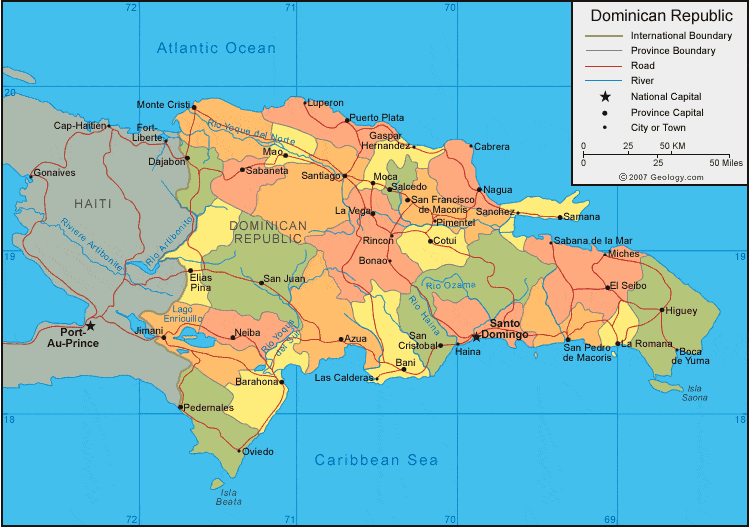
The Dominican Republic is located in the center of the Caribbean region. after much political conflict in its early history, The Dominican Republic is finally set on a path toward even greater stability and making its mark on the international community. Santo Domingo is the capital city of the Dominican Republic and is the oldest and second largest city in the Caribbean. The cordillera, or mountain chains, and valleys of the Dominican Republic separate the country into three regions. The Dominican Republic’s two major rivers are the Yaque del Norte and the Yaque del Sur. The country is also a tropical country with an average temperature of 78 degrees F.
Map of The Dominican Republic

Guatemala Day 3

Today is a very important day in Guatemala, because Sunday is a day for resting. Almost all businesses are closed. We did not have much time for eating because we had to go to church, so we only had eggs and sausage. I dressed up in my finest clothes to wear to their church. The family I was staying with is Catholic, but their church ceremonies are conducted in a way that fits in with the old Mayan religious beliefs and traditions. One old belief is that priests can cross over to the land of the dead and these ceremonies are still conducted today. After church was over, the family took me to their favorite weekend getaway, Lake Atitlan. Buses depart from Guatemala regularly, as many as five an hour, so we did not have to wait long. Our bus was crowded with families traveling to the lakefront to picnic. We decided to go on a boat trip along the lake, even though the lake is very polluted. For the rest of the afternoon, we relaxed, until it got dark and we left. Back at the house, the family had a celebration  so that I could leave with good spirits. We ate and danced for the rest of the night. We did the Salsa, which is the national dance of Guatemala, and for dinner we ate paches, a type of tamale made from potatoes, and Subanik, a delicious meat and vegetable stew in spicy sauce. I really enjoyed my time in Guatemala and would encourage anybody else to go there too.
Lake Atitlan

The traditional dish called Subanik

Guatemala Day 2


Today I planned on going to see Tikal, a protected site in Guatemala of Mayan ruins, but first I ate breakfast. We had eggs, fried plantains, and lots of different types of fruit. We also had rich, fresh coffee, that was grown from their backyard. After Felipe and Tania had gone to school, Carlos left for work and dropped me off at the ancient Mayan ruins. I took a tour of the ruins and learned a lot about them. Tikal was a very important and influential city of the Mayan Empire and controlled vast stretches of territory, dominating smaller city-states. Like the rest of the great Maya cities, Tikal fell around 900 A.D. and was eventually abandoned. When Carlos finished his work, he picked me up and took me home. That night was an important night because today was All Saints Day. During the whole day people celebrated and remembered their dead loved ones. The most unique part of the celebration is the kite festival. The entire family gave me my own kite to fly while almost the entire town flew their own kites. That night we had a traditional meal to commemorate the dead called El Fiambre. It is an authentic cold dish made with more than 50 ingredients including vegetables, sausages, meats, fish, egg and cheeses. We all ate it together around one of the family’s loved one’s tomb. After that, we had a dessert that was a sweet squash, sweetened with brown sugar and cinnamon, or sweet plums or chickpeas drenched in honey.
Giant group of people celebrating All Saints Day with kites


The ruins of Tikal 

Guatemala Day 1

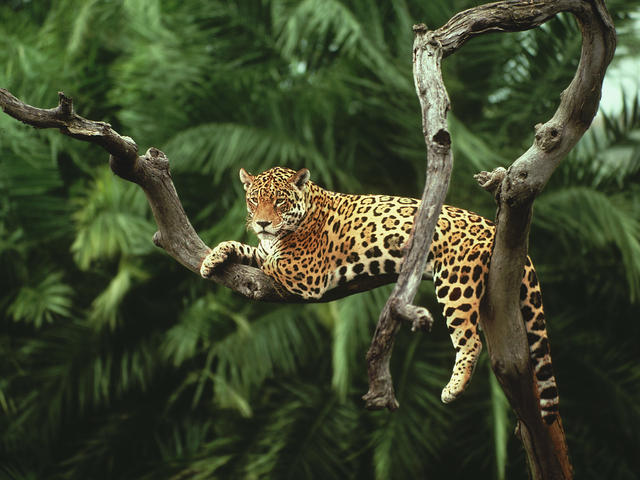
For the next three days, I will be staying in Guatemala with a family who will show me what their everyday life is like. They live on a plantation that is very close to a coastal plain, which means that they can grow coffee, sugar, and cotton, some of Guatemala’s most important exports. This means that they can live a life that is better than most Guatemalans, because many Guatemalans are not lucky enough to own a farm that they can earn money from.  When I arrived, the father, Carlos, was still at work and the mother, Jennifer, was working so I decided to go see the rain forest. Guatemala enjoys its large wildlife diversity. While I was there, I saw a Jaguar, a scarlet macaw, which is endangered, and many poisonous snakes. As I walked by the coastline, I saw a manatee slowly  swimming around. I was told by another Guatemalan also watching the manatee that I was lucky to see the manatee because they have been over hunted for their meat and have become a rare sight to see. When I returned home, Carlos greeted me and introduced me to his children, Felipe and Tania. They were all very nice and welcoming. In my honor, Jennifer had prepared tortillas made with chicken, beef, rice, and refried beans. For dessert, she made a delicious dish called pastel de banano, which is a type of banana bread.

A Jaguar in the Guatemalan rainforest
A rare Macaw in the Guatemalan rainforest

Guatemala Introduction


Guatemala is a very unique country with lots of interesting things. There are volcanoes, huge cities, and large green forests. After signing the 1996 Peace Accords, which ended one of Latin America’s longest civil wars, Guatemala’s economy soared. Guatemalans enjoyed better education, foreign investments, and long term development. Guatemala Is the third largest country in Central America. It is in the tropics, but the climate varies greatly, depending on distance from the shore. Nights in Guatemala are usually at cold or freezing temperatures that can drop to 10 degrees F. Most homes in Guatemala do not have running water and bathrooms. Houses tend to be made out of adobe, cane, or planks and commonly have dirt floors.
A Guatemalan village
Map of Guatemala